The global supply chain is facing an unprecedented era of pressure. Consumers now expect lightning-fast delivery times, real-time tracking, and flawless accuracy with every order they place. At the same time, businesses are grappling with severe labor shortages, rising fuel costs, and increasingly complex international shipping regulations.
In this hyper-competitive environment, traditional, manual supply chain management methods are no longer just inefficient—they are a financial liability. To survive and thrive in the modern market, automation in logistics has evolved from an innovative luxury into an absolute must-have strategy.
Here is a comprehensive look at why automating your logistics operations is crucial, how it transforms business efficiency, and what the future looks like for automated supply chains.
The Core Deficiencies of Manual Logistics Systems
To understand why automation is essential, one must first look at the vulnerabilities inherent in manual operations. Human error is a natural part of any manual process. However, in logistics, a single misplaced digit on a shipping label or an incorrect inventory count can result in delayed shipments, unhappy clients, and thousands of dollars in losses.
Manual warehousing relies heavily on physical labor for sorting, picking, and packing. When labor markets tighten, operations slow down dramatically. Furthermore, manual data entry creates silos, meaning that managers are often making critical decisions based on outdated information. Automation systematically eliminates these bottlenecks by replacing guesswork with real-time data precision.
The Pillars of Logistics Automation
Logistics automation does not mean replacing every human worker with a robot overnight. Instead, it refers to the strategic integration of software and hardware to streamline repetitive, time-consuming tasks. The most successful automated systems rely on three main pillars.
1. Warehouse Management Systems (WMS)
A modern WMS acts as the brain of the warehouse. It tracks every single item from the moment it arrives at the loading dock to the moment it leaves the facility. By utilizing barcode scanners and RFID technology, the software automatically updates inventory levels in real-time, preventing overstocking or stockouts.
2. Autonomous Mobile Robots (AMRs) and AGVs
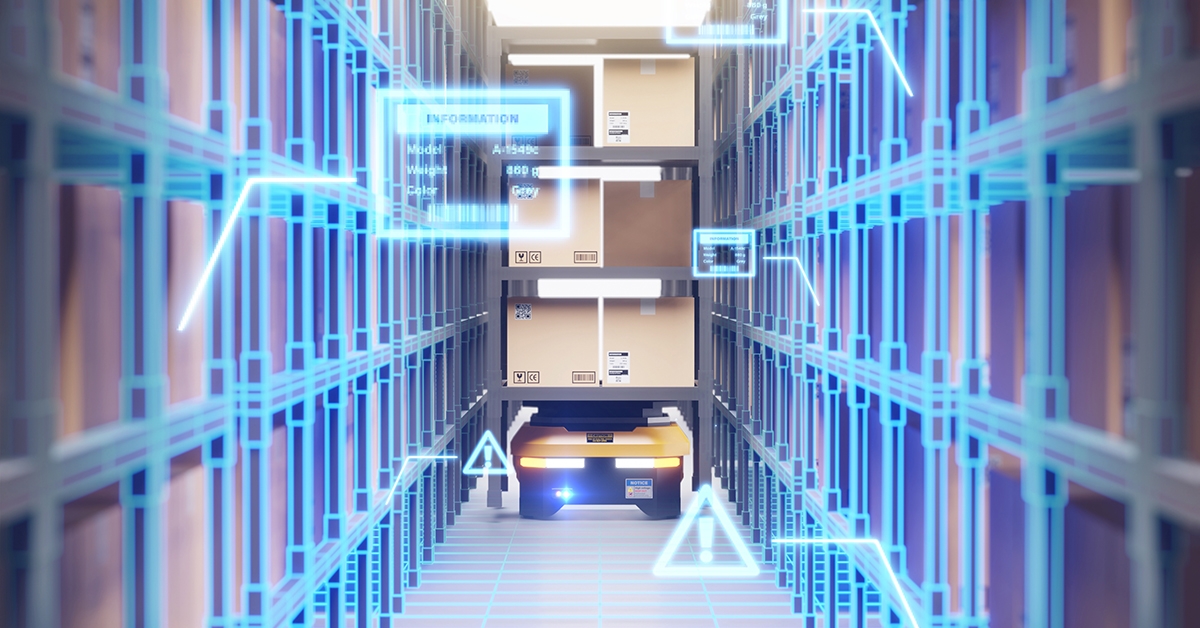
In large fulfillment centers, workers can spend hours simply walking from one aisle to another to pick products. Automated Guided Vehicles (AGVs) and Autonomous Mobile Robots (AMRs) handle the physical movement of goods within the warehouse. These machines navigate safely alongside human workers, bringing products directly to packing stations and drastically reducing physical fatigue and operational cycle times.
3. Automated Sorting and Labeling Systems
High-speed conveyor belts equipped with optical cameras can scan, weigh, and sort thousands of packages per hour based on their destinations. Automated labeling machines apply shipping documents with perfect accuracy, ensuring that packages are routed correctly without requiring a human operator to verify every label.
Why Automation is No Longer Optional
Adopting automated logistics technology requires an initial capital investment, but the long-term benefits make it an undeniable operational necessity. Here is why businesses must adopt these technologies to remain relevant:
Meeting the Speed Demand
The modern consumer expects rapid fulfillment. Manual sorting and picking simply cannot match the speed required to process thousands of orders daily for same-day or next-day shipping. Automation allows fulfillment centers to operate 24/7, maximizing output and keeping customer satisfaction high.
Drastic Cost Reduction Over Time
While the upfront costs of robotics and software integration can be substantial, the return on investment (ROI) is realized rapidly through reduced operational costs. Automation minimizes product damage, eliminates costly shipping errors, optimizes warehouse space utilization, and reduces reliance on temporary seasonal labor.
Data-Driven Predictive Planning
Automated systems collect massive amounts of data at every stage of the supply chain. By analyzing this data, logistics managers can accurately forecast demand trends, optimize delivery routes to save fuel, and identify operational bottlenecks before they cause significant disruptions.
Comparing Manual vs. Automated Logistics Operations
To clearly visualize the operational leap that automation provides, consider this direct comparison between traditional manual workflows and automated logistics systems:
| Operational Metric | Manual Logistics Systems | Automated Logistics Systems |
| Order Processing Speed | Slow, dependent on human shifts and manual picking | Rapid, continuous 24/7 processing capability |
| Error and Accuracy Rates | High risk of manual data entry and picking mistakes | Near-zero error rates due to scanning and AI verification |
| Scalability | Difficult; requires hiring and training more temporary staff | Highly scalable; software and machines adapt easily to volume spikes |
| Data Visibility | Delayed or siloed tracking information | Instant, real-time data streaming across the entire network |
Overcoming the Challenges of Implementation
Transitioning to an automated logistics model does require careful planning. The most common hurdle is the cultural shift within the workforce. Employees often fear that automation will eliminate their jobs.
Forward-thinking companies address this challenge by upskilling their staff. Instead of performing back-breaking manual labor, workers are trained to operate, monitor, and maintain the automated systems. This creates a safer, higher-value working environment. Additionally, businesses should implement automation incrementally—starting with software like a WMS before introducing heavy robotics—to ensure a smooth operational transition.
Conclusion: Embracing the Future of the Supply Chain
The verdict is clear: automation in logistics is no longer a futuristic concept reserved only for global e-commerce giants. It is an indispensable, must-have tool for any business that wishes to remain competitive, resilient, and profitable in a fast-paced global market.
By eliminating human error, accelerating fulfillment times, reducing long-term operational costs, and providing unparalleled data visibility, automation builds a future-proof supply chain. The question for modern business leaders is no longer whether they should automate their logistics, but rather how quickly they can begin the transformation.