The True Cost of the Sky: What It Really Costs to Own a Small Plane
For many aviation enthusiasts, nothing compares to the freedom of pre-flighting your own aircraft, pulling back on the yoke, and leaving the ground behind. Owning a small plane—whether a classic Cessna 172, a sleek Cirrus SR22, or a rugged Piper Cub—is the ultimate dream.
However, general aviation has a golden rule that every prospective pilot must face: the purchase price of the aircraft is only the down payment on the actual cost of ownership.
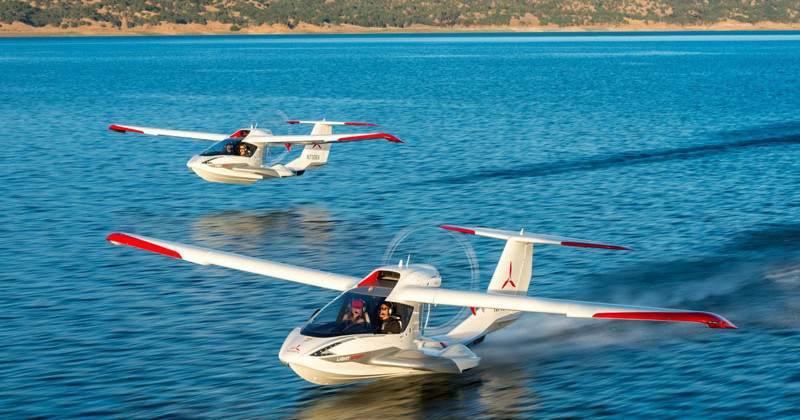
From hidden maintenance mandates to fluctuating fuel prices and insurance premiums, operating a personal aircraft is a major financial commitment. If you are thinking about transitioning from renting to owning, here is a comprehensive breakdown of the real financial costs of owning a small plane.
1. Upfront Acquisition Costs: The Entry Ticket
The initial cost to buy a plane varies wildly depending on age, avionics (the electronic systems in the cockpit), and engine hours.
- Used Aircraft: