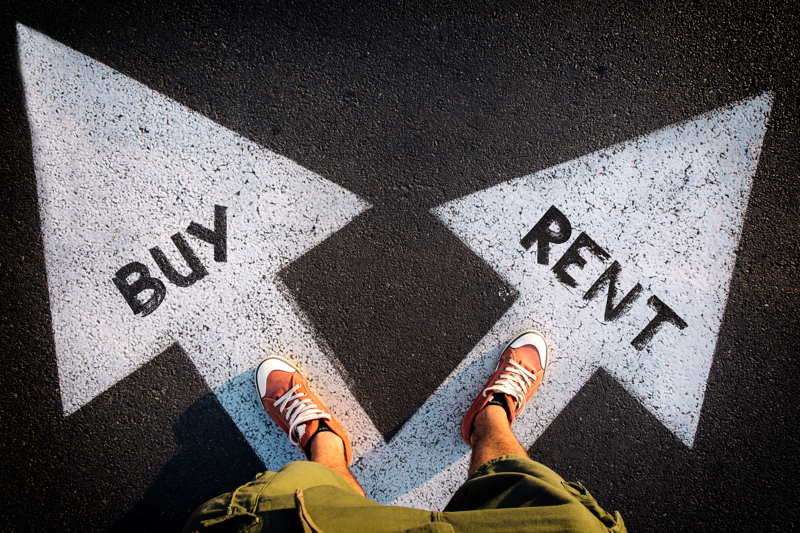
The consumerist culture often tells us that owning is always better than renting. There’s a certain appeal to permanence, to having something you can call your own. However, this mindset isn’t always the smartest financial strategy. In many cases, renting can be a more practical, flexible, and financially sound choice, especially when it comes to high-cost items or things with rapidly changing technology. Before you make a significant purchase that could tie up your capital and create long-term debt, consider this: what if you rented it first? This article explores three key categories of purchases where renting can be a smarter choice, helping you save money, reduce risk, and maintain financial flexibility.
1. High-End Tools and Specialized Equipment
For the DIY enthusiast, hobbyist, or small business owner, the allure of a professional-grade tool or a specialized piece of equipment is strong. Whether it’s a heavy-duty jackhammer for a one-time demolition project, a carpet cleaner for an annual deep clean, or a commercial-grade pressure washer for spring maintenance, these items come with a hefty price tag. But for tasks you’ll only do once or twice a year, buying is often a poor investment.
The Problem with Buying
- High Cost: A high-quality tool can cost hundreds or even thousands of dollars. This is a significant upfront expense for an item that will spend most of its life gathering dust in your garage or storage unit.
- Maintenance and Storage: Owning a tool means you are responsible for its maintenance, repairs, and proper storage. Improper storage can lead to rust or damage, and repairs can be costly. These costs are often overlooked during the initial purchase.
- Rapid Obsolescence: For technology-dependent equipment, such as professional cameras or drones, new models with better features and performance are released annually. The tool you buy today could be outdated next year, significantly devaluing your investment.
The Benefits of Renting
- Cost-Effectiveness: Renting allows you to access a professional-grade tool for a fraction of the purchase price. For example, a commercial-grade floor sander might cost $1,500 to buy but only $50-$75 a day to rent. This makes a project that was previously out of reach suddenly affordable.
- Access to Quality: Rental companies specialize in providing well-maintained, high-quality equipment. You can be confident that the tool you rent is in good working condition, and you won’t have to worry about the hassle of repairs.
- No Storage or Maintenance Hassles: Once your project is done, you simply return the tool. You don’t have to worry about where to store it or how to maintain it, freeing up valuable space in your home or garage.
Example: A homeowner wants to resurface their deck. A professional deck sander costs $800, but a local hardware store rents one for $60 per day. For a two-day project, renting costs $120. By choosing to rent, the homeowner saves $680 and avoids the long-term responsibility of owning a tool they will likely never use again.
2. A Vacation Home or Timeshare
The dream of a getaway property—a cabin in the mountains or a beach house for summer—is a common one. But before you jump into a massive financial commitment like buying a vacation home or a timeshare, it’s essential to understand the true costs and limitations.
The Problem with Buying
- Hidden Costs and Expenses: A mortgage is just the beginning. Owning a vacation home means you’re responsible for property taxes, insurance, utilities, maintenance, and surprise repairs. These costs can easily add up to thousands of dollars a year, even when the property is not in use.
- Lack of Flexibility: A vacation home ties you to one location. What if you fall in love with a different destination, or your travel preferences change? You’re locked into a single spot, and selling a second property can be a lengthy and complicated process.
- Timeshare Traps: Timeshares often come with high upfront costs, followed by mandatory annual maintenance fees that can increase over time. They are notoriously difficult to sell, and the “shared ownership” model can be more restrictive than it appears.
The Benefits of Renting
- Explore Diverse Destinations: Renting a vacation home allows you to travel to a new location every year. Want to ski in Aspen one winter and relax on a beach in Hawaii the next? Renting provides the flexibility to explore different experiences and destinations without being tied down.
- Predictable and Manageable Costs: When you rent, the price you see is the price you pay. There are no hidden fees for a leaky roof or a broken appliance. You know exactly how much your vacation will cost before you go.
- True “Vacation” Experience: The entire point of a vacation is to relax. When you rent, you’re not burdened by the responsibilities of homeownership. There’s no lawn to mow, no gutters to clean, and no maintenance to worry about. You can simply arrive, enjoy your time, and leave.
Data Point: According to a report from the National Association of Realtors, the median price for a vacation home can be more than double the median price of a primary residence in some markets. This significant financial commitment, paired with the lack of flexibility, makes renting a far more practical choice for most people.
3. Expensive Tech and Electronics
Technology changes at a breakneck pace. From the latest smartphones and computers to professional-grade camera equipment and drones, the most advanced gadgets today will be outdated in just a few short years. For individuals who need cutting-edge technology for work or a hobby, buying can quickly become a cycle of costly upgrades.
The Problem with Buying
- Rapid Depreciation: The moment you purchase an electronic device, its value begins to plummet. New models are released frequently, making your once-new gadget less valuable and less desirable. This makes it difficult to recoup your investment when you decide to upgrade.
- High Upfront Costs: Cutting-edge technology comes with a premium price. For a professional photographer, buying a new camera and a set of lenses can cost thousands of dollars, a huge expense that must be repeated every few years to stay competitive.
The Benefits of Renting (or Leasing)
- Access to the Latest Technology: Renting allows you to use the most recent and powerful equipment for a specific project without the massive upfront cost. This is especially beneficial for short-term projects or for trying out a new device before committing to a purchase.
- Flexibility and Upgradeability: Many companies offer technology leasing programs that allow you to use a device for a set period and then easily upgrade to the latest model at the end of the term. This ensures you always have access to the best tools for your work.
- Tax Advantages for Businesses: For small businesses, the cost of renting equipment is often a deductible operating expense, providing a significant tax benefit that is not always available with a large upfront purchase.
Example: A freelance video editor needs a powerful computer for a six-month contract. Instead of buying a new, high-end PC for $3,000, they could lease one for $150 a month, totaling $900 for the duration of the project. This saves them $2,100 and frees them from the burden of selling an outdated machine once the project is complete.
Conclusion: Rethink Ownership for Financial Freedom
While the idea of owning property and possessions is deeply ingrained, a closer look reveals that in many scenarios, renting offers a clear advantage. By choosing to rent high-end tools, vacation homes, and expensive technology, you can reduce financial risk, increase your flexibility, and free up capital that can be invested or saved. Renting is not a sign of a lack of commitment; it is a smart financial strategy that prioritizes practical use over long-term ownership, ultimately giving you more control over your money and your life.